SDGs
Sustainable Design Homes: What WUF13 Says on SDG 11
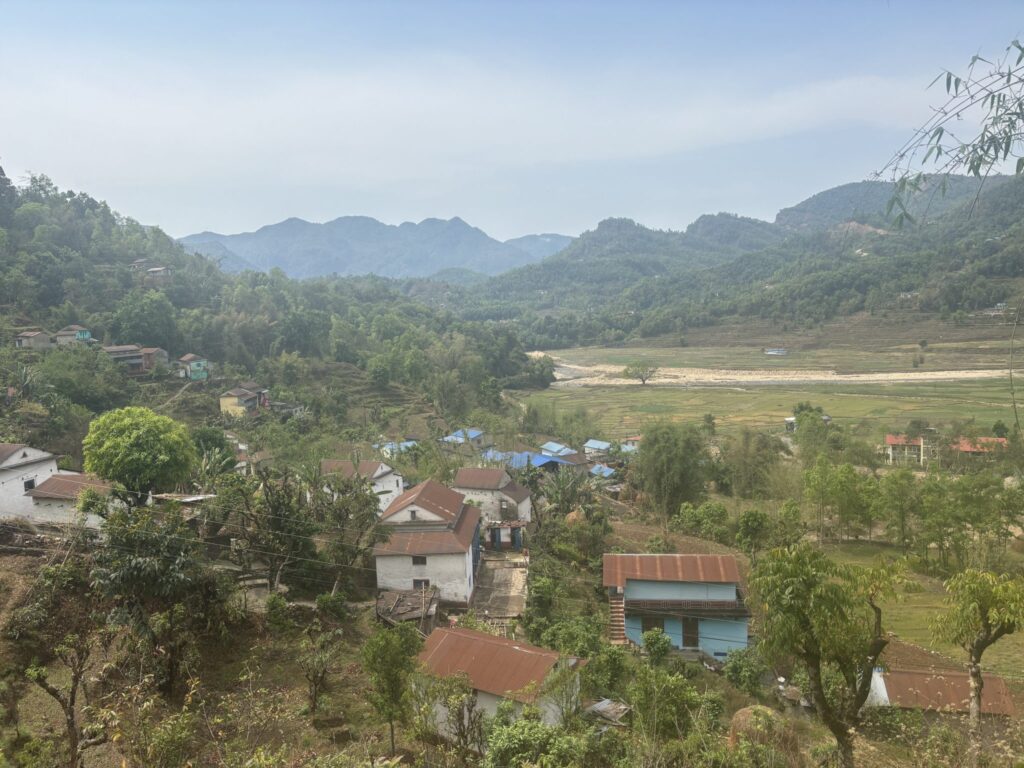
Sustainable design homes are homes that are safe, affordable and low in environmental impact, and they are the centre of SDG target 11.1, which calls for adequate, safe and affordable housing for all by 2030. The 13th World Urban Forum, held in Baku from 17 to 22 May 2026 under the theme “Housing the world: safe and resilient cities and communities”, put housing at the top of the urban agenda.
UN-Habitat estimates that about 2.8 billion people lack access to adequate housing, secure land and basic services. For designers, the question is how to build and upgrade homes at that scale without locking in high carbon emissions or high costs.
Key takeaways
- WUF13 took place in Baku from 17 to 22 May 2026 under the theme “Housing the world: safe and resilient cities and communities”.
- UN-Habitat estimates that 2.8 billion people lack adequate housing, secure land and basic services, including more than 1.12 billion in slums or informal settlements.
- An estimated 300 million people face absolute homelessness.
- Upgrading and retrofitting existing homes can cut costs and embodied carbon compared with demolition and new build.
What does SDG target 11.1 require?
Target 11.1 sits under SDG 11, sustainable cities and communities. It asks countries to ensure access for all to adequate, safe and affordable housing and basic services, and to upgrade slums, by 2030. Adequate housing, in the UN’s usage, means more than a roof: it includes secure tenure, services, affordability, habitability, accessibility, location and cultural adequacy.
The scale of the gap is large. UN-Habitat’s estimate of 2.8 billion people, about 40 percent of the world’s population, lacking adequate housing, land and services includes more than 1.12 billion people in slums or informal settlements, and an additional 300 million who face absolute homelessness. The crisis is most acute in the fast-growing cities of Africa and Asia.
What are sustainable design homes in practice?
A sustainable home meets three tests together: it is affordable to buy or rent and to run, it is safe and healthy to live in, and it has a low environmental footprint over its whole life. The three tests often pull against each other, which is why design matters. A cheap home with poor insulation can be expensive to run and unhealthy; an efficient home that nobody can afford does not help.
Practical measures are well known. Passive design uses orientation, shading, ventilation and thermal mass to cut energy needs. Local and low-carbon materials reduce transport and embodied emissions. Flexible plans and incremental building let households extend and adapt a home over time. Flood-resilient design and protection from heat keep homes safe as the climate changes.
What came out of the World Urban Forum in Baku?
WUF13 convened government, city, civil society and private sector participants in Baku from 17 to 22 May 2026, co-organised by UN-Habitat and the Government of Azerbaijan. The forum opened as housing shortages, rising costs and climate shocks intensified in many regions, and its theme set housing as a foundation for inclusive, resilient and sustainable urban development.
For design practice the forum underlined three points: housing is a systems problem involving land, finance, services and building; informal settlements need upgrading as well as replacement; and housing has to be designed for a changing climate. These points echo the findings in the EU context discussed in the sustainable design of buildings.
How is SDG 11.1 measured?
Indicator 11.1.1 is the proportion of the urban population living in slums, informal settlements or inadequate housing. National housing and census surveys supply the data. At project level, a design team can track cost per square metre, running cost per household, indoor temperature in the hottest month, time to build and the share of materials sourced locally.
What can designers do?
Retrofit before rebuilding
Upgrading existing homes keeps the embodied carbon already in the building and keeps communities in place. Insulation, safe wiring, water and sanitation upgrades and structural repairs often deliver more per dollar than demolition.
Design for incremental growth
Households often build in stages as income allows. Structures designed for extension, with services that can be expanded, support that pattern instead of fighting it.
Build with local skills and materials
Local materials and skills reduce cost and transport emissions and keep maintenance within reach. Training local builders also supports the goals on decent work discussed in the SDG 8 guide.
What does a low-cost, low-carbon home plan include?
- A compact plan that avoids wasted circulation space and can grow in stages
- Orientation, shading and cross-ventilation chosen for the local climate
- A thermal envelope that suits the climate, such as insulation in cold regions and reflective roofs in hot ones
- Locally available structural materials, used with tested details
- Safe water, sanitation and electricity connections designed from the start
- Details that let the owner repair and extend the home with local skills
Whole-life cost matters more than build cost alone. A home that is cheap to build but expensive to heat or cool can push a household into energy poverty, while one with good insulation and shade pays back through lower bills. Counting both gives a fairer comparison, and it helps funders and families decide.
Retrofit follows the same logic. Insulation, safe wiring, new windows and efficient heating can often be delivered street by street, which lowers cost and disruption and keeps communities together.
Frequently asked questions
What makes a home sustainable?
A sustainable home is affordable to acquire and to run, safe and healthy to live in, and low in environmental impact over its whole life. Good design balances all three rather than optimising one.
How many people lack adequate housing?
UN-Habitat estimates about 2.8 billion people lack adequate housing, secure land and basic services, including more than 1.12 billion in slums or informal settlements, and around 300 million face absolute homelessness.
What was the World Urban Forum 2026?
The 13th World Urban Forum was held in Baku, Azerbaijan, from 17 to 22 May 2026 under the theme “Housing the world: safe and resilient cities and communities”. It is organised by UN-Habitat and focused on the global housing crisis.