SDGs
Masters of Sustainable Design: What SDG 4.7 Asks of Courses
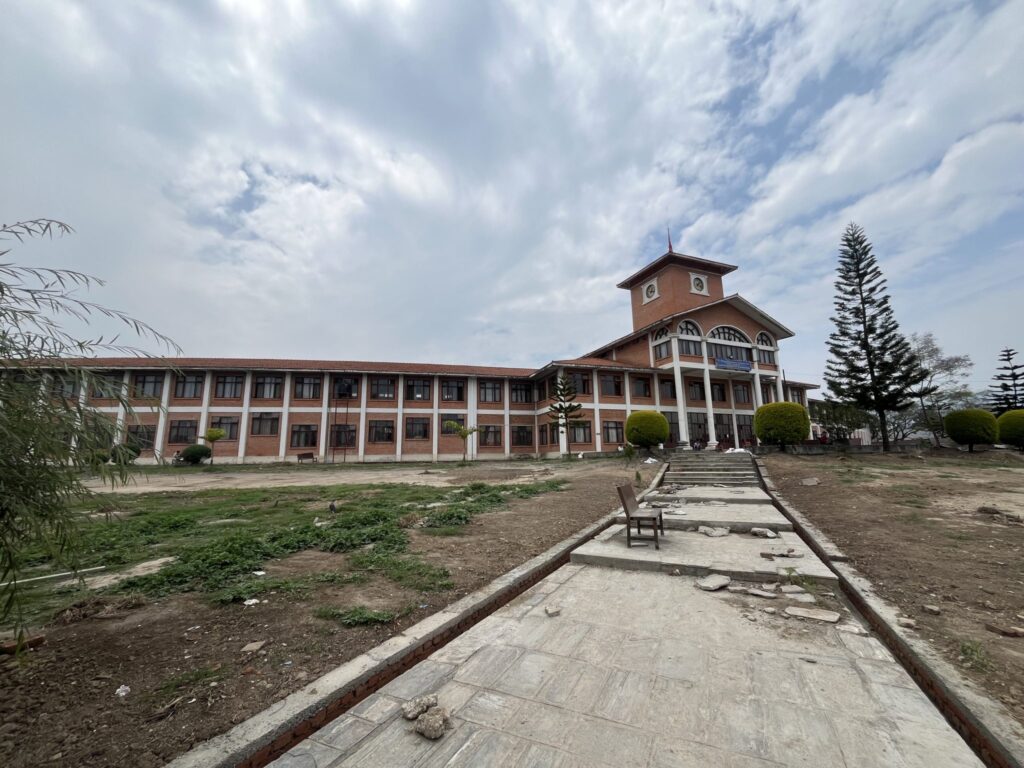
Masters of sustainable design programmes are one way the global education goal reaches the design profession. SDG target 4.7 asks that by 2030 all learners acquire the knowledge and skills needed to promote sustainable development, including through education for sustainable development and sustainable lifestyles. UNESCO marked the International Day of Education on 24 January 2026 under the theme “The power of youth in co-creating education”.
The wider data show how far the education goal is from being met, and why a student choosing a design masters should ask what a programme really teaches. This guide explains the target, how it is measured and how to compare courses.
Key takeaways
- Target 4.7 covers education for sustainable development, human rights, gender equality, a culture of peace, global citizenship and appreciation of cultural diversity.
- UNESCO’s Global Education Monitoring Report counts 272 million children and youth out of school as of 2023, and out-of-school numbers have fallen by less than one percent since 2015.
- UNESCO’s Global Report on Teachers says nearly 44 million more teachers are needed by 2030 to reach universal primary and secondary education.
- A good masters of sustainable design programme shows its studio work, its evidence and its staff, not only its title.
What does SDG target 4.7 say?
Target 4.7 is part of SDG 4, quality education. It reads: “By 2030, ensure that all learners acquire the knowledge and skills needed to promote sustainable development, including, among others, through education for sustainable development and sustainable lifestyles, human rights, gender equality, promotion of a culture of peace and non-violence, global citizenship and appreciation of cultural diversity and of culture’s contribution to sustainable development.”
The target is about all learners, not only specialists. For a design school that means two things: sustainability should be part of every design course, and specialist programmes should go deeper for those who want to lead in the field.
What are masters of sustainable design programmes?
Masters of sustainable design is a general label for postgraduate programmes that combine design practice with methods for judging environmental and social impact. The names vary: sustainable design, design for sustainability, circular design, sustainable architecture or regenerative design. Most take one to two years, and most mix studio projects with research.
The better programmes teach a small set of core methods. These include life-cycle assessment, systems thinking, material science, co-design with communities and ways to communicate evidence. They also expect students to work on real briefs with real partners, because sustainability problems rarely look like a studio exercise.
What did the latest education data show?
The International Day of Education 2026 theme placed young people as co-creators of education, not only as recipients. That fits design pedagogy well, since studio teaching already depends on feedback and shared critique.
The wider numbers are sobering. UNESCO’s Global Education Monitoring Report, which feeds the annual SDG 4 scorecard, counts 272 million children and youth out of school as of 2023. Between 2015 and 2025 the out-of-school rate fell by only 0.1 percentage points a year. The UN’s 2025 SDG report also found that SDG 4 is one of five goals where 50 to 57 percent of assessed targets have stalled or reversed.
How is SDG 4.7 measured?
The official indicator, 4.7.1, measures the extent to which global citizenship education and education for sustainable development are mainstreamed in national education policies, curricula, teacher education and student assessment. It measures policy and system settings, not what a student learns or does after graduating.
A programme can add its own measures. Examples include the share of studio projects with a measured environmental result, the number of projects done with community partners, graduate destinations and whether graduates keep working on sustainability five years later. Publishing these figures lets applicants compare programmes honestly.
How can you compare masters of sustainable design programmes?
Look at the studio evidence
Ask to see recent student projects with documented results: what problem was set, what was tested, what changed. A programme that can show measured outcomes is stronger than one that shows only polished images.
Check who teaches and who partners
Look for staff who still practise, and for named partners such as councils, manufacturers or community groups. Partnerships show that the programme works on real constraints.
Ask about access and cost
Education goals are about inclusion. Check whether scholarships, part-time routes and accessible facilities exist, and whether the programme publishes its admissions and completion data.
Ask what happens next
A strong programme tracks graduates and helps them find work. This links to the youth employment gap discussed in the sustainable design jobs guide.
What should an applicant ask the admissions team?
- Which studio projects from the last two years can I see, and what was measured in each?
- Who teaches the core methods, and are they still in practice?
- Which partners offer real briefs, and how are they chosen?
- How much of the course is assessed on evidence of impact, not only on appearance?
- What do graduates do in the first three years, and are the figures published?
- What support exists for students who need part-time study, funding or accessibility adjustments?
A programme that answers these questions openly is usually confident in its teaching. One that avoids them is worth a second look. Applicants can also ask to speak to current students, who tend to describe the daily reality of studio life more frankly than a brochure does.
Frequently asked questions
What is a masters of sustainable design?
It is a postgraduate programme that combines design practice with methods for assessing environmental and social impact. Most last one to two years and combine studio projects, research and work with real partners.
What does SDG 4.7 mean in plain terms?
It means that every learner should gain the knowledge and skills to support sustainable development, including understanding human rights, gender equality, peace, global citizenship and cultural diversity. It is a goal for all education, not only for specialist courses.
How do I know if a programme is good?
Look for documented studio projects with measured results, staff who practise, named partners, published graduate outcomes and clear information about access and cost. A programme that can show these is more credible than one that relies on a title.