news
Sustainable Design Inspired by Nature: World Environment Day 2026
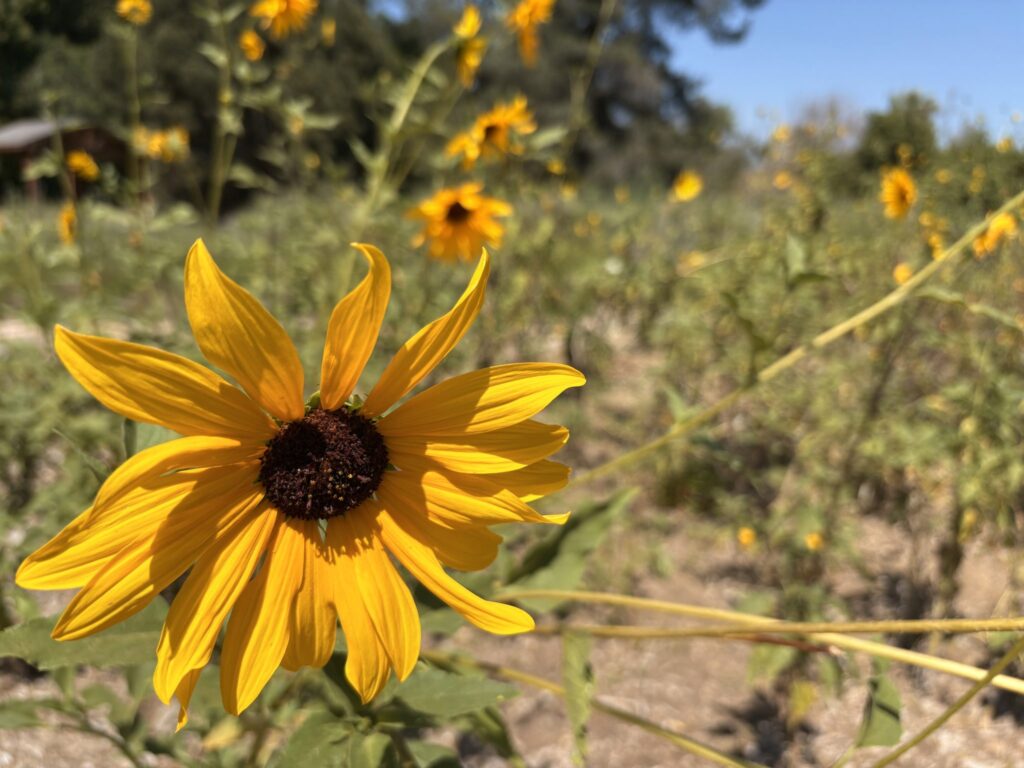
Sustainable design inspired by nature gets two prompts in quick succession: the International Day for Biological Diversity on 22 May 2026, under the theme “Acting locally for global impact”, and World Environment Day on 5 June 2026, hosted by Azerbaijan in Baku, whose campaign puts climate change at the centre. Both days ask what people and organisations can do close to home to reduce their effect on living systems.
Designers have a long tradition of looking to nature for ideas. The risk is that a leaf pattern on a package can be mistaken for a green product. This article explains what it takes for design inspired by nature to be sustainable in fact, not just in appearance.
Key takeaways
- The 2026 International Day for Biological Diversity theme is “Acting locally for global impact”, and World Environment Day on 5 June is hosted by Azerbaijan, with UNEP’s campaign focused on climate change.
- Biomimicry means learning from the strategies of living organisms, and can work at the level of form, process or whole systems.
- Well-known examples include hook-and-loop fasteners, inspired by burdock burrs, and the nose of a Japanese high-speed train, modelled on a kingfisher’s beak.
- Nature-inspired design is sustainable only if the result is measured and reduces impact.
What do the two UN days ask?
The International Day for Biological Diversity, marked on 22 May, takes the theme “Acting locally for global impact” in 2026. The theme stresses that major change begins on a small scale and that the success of efforts to reverse biodiversity loss depends on the commitment of communities, organisations and governments working together.
World Environment Day, led by the UN Environment Programme and celebrated each year on 5 June, is hosted in 2026 by the Republic of Azerbaijan, with the global observance in Baku. UNEP describes this year’s campaign as focused on climate change and on the signals the planet is sending. For designers, both days point towards local, practical action that is tied to measurable results.
What does sustainable design inspired by nature look like in practice?
Biomimicry, as the Biomimicry Institute defines it, is learning from and mimicking the strategies used by living organisms. It works at three levels. At the level of form, a designer copies a shape or structure, as in the kingfisher-inspired nose of a Japanese high-speed train that reduced the noise of the train entering tunnels. At the level of process, a designer copies how nature makes things, for instance by using water-based processes at ambient temperature. At the level of the system, a designer copies how ecosystems work, where waste from one process becomes the input of another.
A related approach is biophilic design, which brings plants, daylight, natural materials and views of nature into buildings to support health and well-being. A third is the use of nature-based solutions, such as wetlands, trees and green roofs, to manage water, heat and flood risk in cities. Each of them can be sustainable, but none is automatically so.
How can you tell real nature-inspired design from greenwash?
- Is there a stated function, such as less noise, less material or more cooling, rather than only a style?
- Was the result measured against a conventional design?
- Did the team consult people with biological or ecological expertise?
- What is the product made of, and what happens to it at end of life?
- Does the design work with local species and conditions, or does it import a generic look?
- Are the claims specific, with numbers, instead of general words such as “natural”?
The test is simple: if the nature-inspired feature were removed, would the environmental result change? If not, it is decoration. Under new EU rules on environmental claims, which apply from September 2026, generic claims without proof will be harder to use, as explained in the piece on sustainable design furniture.
What can designers do locally?
Start with the site
Look at the species, soils, water and climate of the place before designing. Local conditions suggest materials and strategies that work with the site, which is the spirit of “acting locally”.
Choose materials that return to nature safely
Where materials will end up in soil or water, check that they are non-toxic and degrade safely. Where they will be recycled, check that the system exists. The goals for land and water ecosystems are explained in the SDG 15 guide.
Measure the gain
Record the baseline and the change: energy saved, water managed, habitat created, material avoided. Publish the results, including the limits.
Acting locally also means asking local people. Communities that live with a river, a coast or a forest often hold detailed knowledge about how it behaves through the seasons. Designers who invite that knowledge into the process, and who credit it, tend to produce solutions that fit the place and are looked after once the project is finished.
A final test is honesty about trade-offs. A nature-inspired material may use more energy to produce than a conventional one, or a green roof may need irrigation in dry summers. Saying so openly, and showing how the balance works out over the whole life of the project, is what separates a credible design from a decorative one.
Frequently asked questions
What is biomimicry in design?
Biomimicry is the practice of learning from the strategies used by living organisms and applying them to human design problems. It can inspire forms, processes or whole systems, and its value depends on whether the result performs better than a conventional design.
Is nature-inspired design always sustainable?
No. A design can look natural and still use harmful materials or short-lived components. It is sustainable only if its environmental performance is measured and better than the alternative.
When is World Environment Day 2026?
World Environment Day is on 5 June every year. In 2026 the global observance is hosted by Azerbaijan in Baku, with a UNEP campaign that focuses on climate change.