SDGs
Sustainable Design Policy and SDG 16: Rebuilding Trust
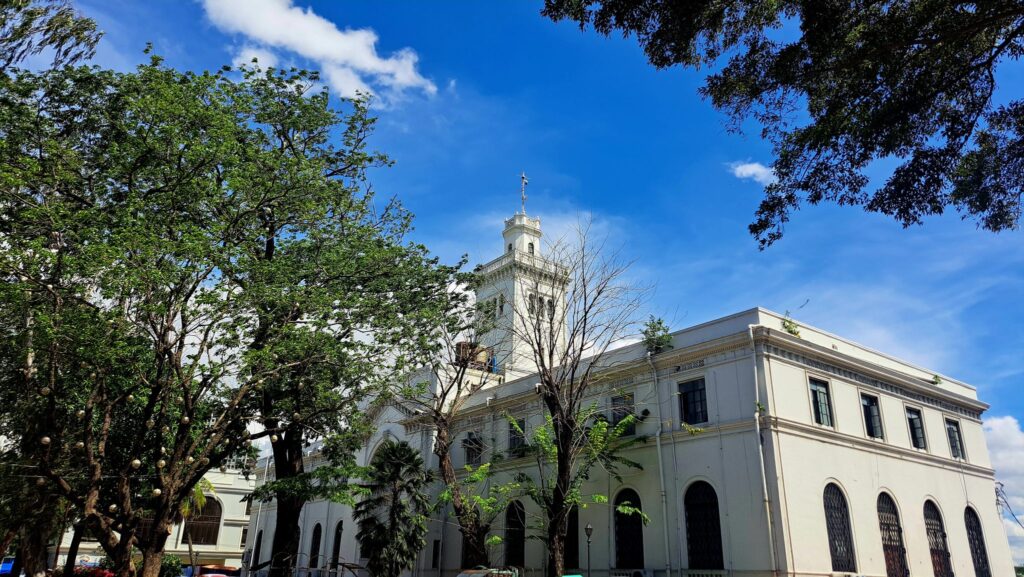
A sustainable design policy is a written set of rules that an organisation, school or city uses to decide how its buildings, products and services are designed, and it is one of the most direct ways to apply SDG 16, the goal for peace, justice and strong institutions. The UN General Assembly opens its 81st session on 8 September 2026 under the theme “Restoring Trust, Managing Transformation: A United Nations That Delivers for All”.
Trust is the common thread. The OECD’s survey of 30 member countries found that 44 percent of people had low or no trust in their national government and only 39 percent had high or moderately high trust. Design choices, from forms to public spaces, shape that experience every day.
Key takeaways
- UNGA 81 opens on 8 September 2026, with the General Debate from 22 to 26 and on 28 September and an SDG Moment on 18 September.
- The OECD Survey on Drivers of Trust in Public Institutions, run in late 2023, found 39 percent with high or moderately high trust in national government and 44 percent with low or no trust.
- SDG targets 16.6 and 16.7 call for effective, accountable and transparent institutions and for responsive, inclusive and participatory decision-making.
- A sustainable design policy sets minimum rules on materials, energy, access, participation and reporting.
What does SDG 16 ask of institutions?
SDG 16, peace, justice and strong institutions, includes target 16.6, to develop effective, accountable and transparent institutions at all levels, and target 16.7, to ensure responsive, inclusive, participatory and representative decision-making. Target 16.10 asks for public access to information and the protection of fundamental freedoms.
These are design requirements in disguise. An institution is transparent when its information can be found and understood. It is inclusive when its services can be used by everyone. It is accountable when decisions leave a trail that people can follow.
What is a sustainable design policy?
A sustainable design policy is a document that sets minimum standards for design decisions and says how they will be checked. A city might apply it to public buildings and streets, a university to its campus and courses, a company to its products and packaging. It makes sustainability a routine requirement instead of an occasional ambition.
A good policy is short and testable. It names a small number of requirements, assigns an owner for each, sets a date for review and commits to publishing results. It also explains how exceptions are approved, because transparent exceptions are more credible than silent ones.
What does UNGA 81 put on the agenda?
The 81st session of the General Assembly opens on 8 September 2026. The theme, “Restoring Trust, Managing Transformation: A United Nations That Delivers for All”, places trust at the centre. The General Debate takes place from 22 to 26 September and on 28 September, and the Secretary-General’s SDG Moment on 18 September is meant to showcase progress and ways to accelerate the goals.
The HLPF’s ministerial declaration, adopted on 15 July 2026, set the context by committing governments to accelerate action. Trust in public institutions is a recurring subject in those discussions, as the earlier look at the democracy projects at Dutch Design Week showed from the design side.
How is trust and institutional quality measured?
Official SDG indicators include 16.6.2, the share of the population satisfied with their last experience of public services, 16.7.2, the share who believe decision-making is inclusive and responsive, and 16.10.2, the number of countries with laws guaranteeing public access to information. The OECD trust survey adds more detail on what drives trust, including reliability, responsiveness, integrity, openness and fairness.
An organisation with a sustainable design policy can add its own measures: the share of projects that publish results, the share that included user testing with people who are usually excluded, and the number of public comments answered.
What should a sustainable design policy include?
- A short statement of purpose, linked to specific SDG targets
- Minimum requirements for energy, materials, water and waste in new projects
- An accessibility standard that applies to physical and digital work
- A participation rule that says who must be consulted, and how
- A reporting rule that says what results are published and when
- An exceptions process with a named approver
These six items fit on two pages. The harder part is the follow-through: a policy that is reviewed every year and reported openly will earn more trust than a detailed one that nobody reads.
How can an organisation start in one month?
A first version of a sustainable design policy can be drafted in four weeks. In the first week, collect the rules the organisation already follows, such as procurement, accessibility and energy standards. In the second, choose five requirements that matter most and name an owner for each. In the third, test the draft on one live project and note where it was unclear. In the fourth, revise it, publish it and set a review date twelve months ahead.
The point is to start small and learn. A short policy that is used and updated builds trust more than a long one that is announced and forgotten. The about page explains what this award is about.
Frequently asked questions
What is a sustainable design policy?
It is a written set of minimum standards that an organisation applies to design decisions, covering matters such as materials, energy, accessibility, participation and reporting, together with a way to check and publish results.
Why does SDG 16 matter for designers?
SDG 16 is about institutions that work for everyone. Designers shape forms, services, buildings and public spaces that people use to deal with institutions, so their choices affect how accessible, transparent and trusted those institutions are.
When does the UN General Assembly open its 81st session?
The 81st session of the UN General Assembly opens on 8 September 2026. The General Debate runs from 22 to 26 September and on 28 September, and the SDG Moment is on 18 September.